


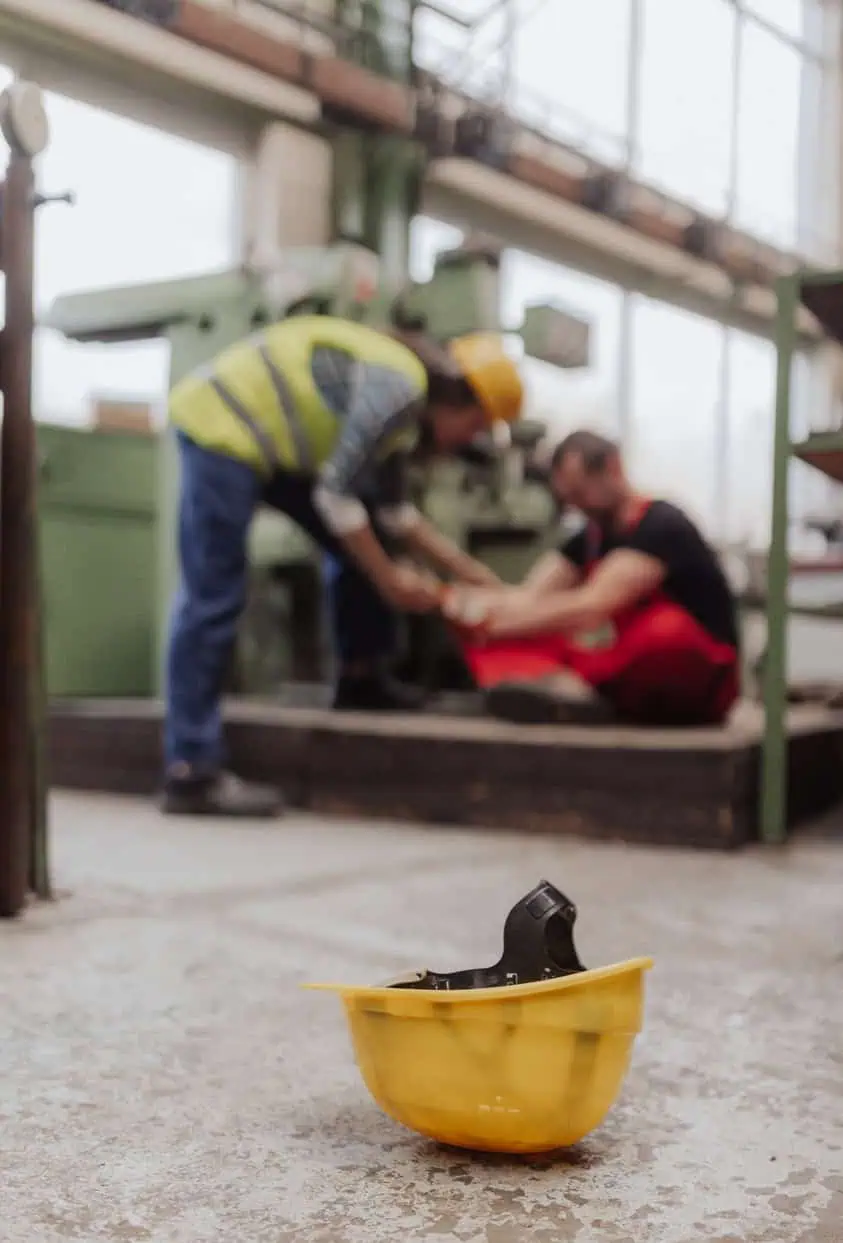





Nevada’s mining industry powers our state’s economy, producing approximately 70% of all gold mined in the United States and employing nearly 30,000 workers across gold, silver, copper, and lithium operations. Yet this essential work comes with serious risks. In 2024 alone, Nevada mines reported 629 workplace injuries and 9 serious accidents, and fatalities continue to claim the lives of hardworking miners each year.
If you’ve been hurt in a mining accident or developed an occupational illness like silicosis from years of underground work, you have legal rights under Nevada’s workers’ compensation system. But mining claims present unique challenges—from complex MSHA regulations to occupational diseases that take years to manifest. Understanding how Nevada law protects miners is the first step toward securing the benefits you deserve. This guide explains your rights, the claims process, and when you may be entitled to additional compensation beyond workers’ comp.
Mining and extraction work is among the most hazardous in Nevada, and injured miners need an attorney who understands the unique dangers of the profession. Shook & Stone has extensive experience representing injured miners across the state and is ready to fight for the benefits and compensation you deserve. Contact us or call 702-570-0000 for a free case review.
The Dangers Facing Nevada Miners Every Day
Mining remains one of America’s most hazardous occupations, and Nevada’s expansive operations—from the Carlin Trend’s gold mines to emerging lithium extraction sites—expose workers to dangers that most people never encounter. While the average Nevada mining job pays around $120,200 annually (the second-highest in the nation), that premium reflects the serious risks workers face underground and at surface operations.
The most common mining injuries include sprains and strains (accounting for roughly half of all incidents, particularly affecting the back and shoulders), fractures from equipment accidents and falls, and lacerations from machinery. More devastating accidents involve powered haulage—haul truck collisions are the leading cause of mining fatalities nationwide—as well as ground control failures, equipment entanglements, and falls from significant heights.
Beyond traumatic injuries, Nevada miners face occupational diseases that develop over months or years of exposure. Silicosis, caused by inhaling crystalline silica dust during drilling and blasting operations, causes progressive lung scarring that cannot be reversed. Respiratory conditions from diesel exhaust, hearing loss from heavy equipment noise, and whole-body vibration injuries from operating machinery represent serious long-term health consequences of mining work.


Your Workers’ Compensation Rights Under Nevada Law
Nevada’s workers’ compensation system, governed by NRS Chapters 616A through 616D and Chapter 617 for occupational diseases, provides crucial protections for injured miners. The system operates on a no-fault basis, meaning you don’t need to prove your employer was negligent to receive benefits—only that your injury or illness arose from your work.
Benefits Available to Injured Miners
When you’re hurt in a mining accident, Nevada law entitles you to comprehensive medical coverage for all treatment related to your injury, including surgeries, hospital stays, medications, physical therapy, and prosthetic devices. For miners who suffer catastrophic injuries resulting in paralysis or amputation, workers’ compensation even covers motor vehicle modifications to accommodate your disability.
If your injury prevents you from working, you’re entitled to temporary disability benefits equal to 66⅔% of your average monthly wage while you recover. When you’ve reached maximum medical improvement but still have lasting impairment, permanent disability benefits compensate you based on your disability rating, age, and pre-injury earnings. For the most severe injuries—loss of both hands, both feet, both eyes, or any combination—Nevada law presumes total permanent disability, providing ongoing monthly benefits.
If a mining accident claims a worker’s life, surviving dependents can receive death benefits based on the deceased worker’s wages, along with funeral expense coverage.
Critical Deadlines You Cannot Miss
Time limits are strict in Nevada workers’ compensation cases. You must report your injury to your employer within 7 days of the accident. Your formal claim must be filed within 90 days. Missing these deadlines can permanently forfeit your right to benefits, regardless of how serious your injury may be.
For occupational diseases like silicosis, the timeline works differently. The 90-day filing period begins when you knew or reasonably should have known that your condition was work-related—which may be years after your exposure began. If you’ve worked in Nevada mines and have been diagnosed with a respiratory condition, consulting with a Reno workers’ compensation lawyer promptly is essential to protect your rights.

Special Protections for Mining Occupational Diseases
Nevada law recognizes the unique health hazards miners face through NRS Chapter 617, which specifically addresses occupational diseases. This includes silicosis (lung disease caused by silica dust), diseases related to asbestos exposure including mesothelioma, lead and mercury poisoning, compressed air illness, and conditions caused by radioactive materials.
One of the most important protections for miners with occupational diseases is Nevada’s lifetime claim reopening right under NRS 616C.390. Unlike many states that impose strict time limits, Nevada allows you to petition to reopen your workers’ compensation claim at any time if medical evidence demonstrates your condition has worsened. For miners with progressive diseases like silicosis that may deteriorate over decades, this protection ensures you can seek additional benefits as your condition changes.
Nevada also maintains a special Account for Pensions for Silicosis, Diseases Related to Asbestos and Other Disabilities, providing additional support for workers suffering from these mining-related conditions.
Free Consultation We’ll help you win the benefits you need to get your life back.
When You Can Pursue Claims Beyond Workers’ Compensation
While workers’ compensation is typically your exclusive remedy against your employer for workplace injuries, mining accidents often involve third parties whose negligence contributed to your harm. In these situations, you may be entitled to file a personal injury lawsuit that can recover damages workers’ comp doesn’t cover—including full lost wages (not just 66⅔%), pain and suffering, and potentially punitive damages.
Third-party claims in mining cases commonly involve equipment manufacturers when defective machinery causes injury, maintenance contractors who improperly serviced equipment, engineering firms whose negligent design created hazardous conditions, and transportation companies involved in haul truck accidents. MSHA violation records often provide powerful evidence in these cases, documenting safety failures that contributed to your injury.
Recent Nevada mining fatalities illustrate how third-party liability can arise. When a worker died after falling 800 feet when an excavator went off an access road, or when another miner was killed after a lube truck fell into an open stope where berms had been deliberately removed, these cases raise serious questions about manufacturer defects, contractor negligence, and whether safety protocols were followed.
What to Do After a Mining Injury in Nevada
The steps you take immediately after a mining accident can significantly impact your ability to recover full compensation. First, seek medical attention promptly and ensure all injuries are documented. Report the accident to your supervisor within Nevada’s 7-day deadline, and request a copy of any incident report filed with the company or MSHA.
Document everything you can remember about the accident, including the conditions that contributed to your injury, any equipment involved, and the names of witnesses. If possible, take photographs of the accident scene and any visible injuries. This evidence becomes crucial if your claim is disputed or if third-party liability exists.
File your workers’ compensation claim within the 90-day deadline. Be aware that insurers sometimes deny legitimate claims or attempt to minimize benefits—having experienced legal representation from the beginning helps ensure your rights are protected. As we explain in our guide to common workplace injuries, mining injuries often have long-term consequences that require careful documentation and aggressive advocacy to receive appropriate compensation.
Frequently Asked Questions About Nevada Mining Injury Claims
Can I receive workers’ compensation if I’m an independent contractor at a Nevada mine?
Unlike many states, Nevada law specifically includes independent contractors and subcontractors working in mining operations. Under NRS 617.100, you’re deemed an employee of the principal contractor for workers’ compensation purposes, which means you’re entitled to the same protections as direct employees.
How long do I have to file a silicosis or other occupational disease claim?
You have 90 days from when you knew or should have known your condition was work-related. Since occupational diseases often develop gradually, this date is typically when a doctor diagnoses your condition and connects it to your mining work—not when exposure began. However, don’t delay seeking legal advice, as determining this date can be complex.
Can my employer fire me for filing a workers’ compensation claim?
No. Terminating an employee in retaliation for filing a workers’ compensation claim is illegal under Nevada law. However, employers can terminate employees for legitimate reasons unrelated to the claim. If you believe you’ve been retaliated against, document everything and contact an attorney immediately.
What if my workers’ compensation claim is denied?
You have 70 days to appeal an insurer’s determination under Nevada law. Denials can often be overturned with proper medical documentation and legal advocacy. Many initial denials result from incomplete paperwork or disputes about whether the injury is work-related—issues an experienced workers’ compensation attorney can address.
How do MSHA violations affect my case?
MSHA violation records provide valuable evidence that can strengthen both workers’ compensation disputes and third-party lawsuits. Violations documenting unsafe conditions, inadequate training, or equipment defects help establish that negligence contributed to your injury. An attorney can obtain MSHA inspection reports and use them to build the strongest possible case.
Protect Your Rights After a Nevada Mining Injury
Mining injuries can be life-changing, affecting your ability to work, support your family, and enjoy the activities you love. Whether you’ve suffered a traumatic accident at a gold mine in the Carlin Trend, developed silicosis from years of underground work, or lost a loved one to a fatal mining incident, you deserve experienced legal representation that understands the complexities of Nevada mining injury claims.
At Shook & Stone, we’ve recovered over $1 billion for injured Nevada workers over nearly 30 years of practice, including one of the state’s largest workplace injury awards at $20 million. Our Reno office serves miners throughout Northern Nevada, and we handle cases on a contingency basis—you pay nothing unless we win your case.
Mining and extraction work is among the most hazardous in Nevada, and injured miners need an attorney who understands the unique dangers of the profession. Shook & Stone has extensive experience representing injured miners across the state and is ready to fight for the benefits and compensation you deserve. Contact us or call 702-570-0000 for a free case review.



 DIRECTIONS