


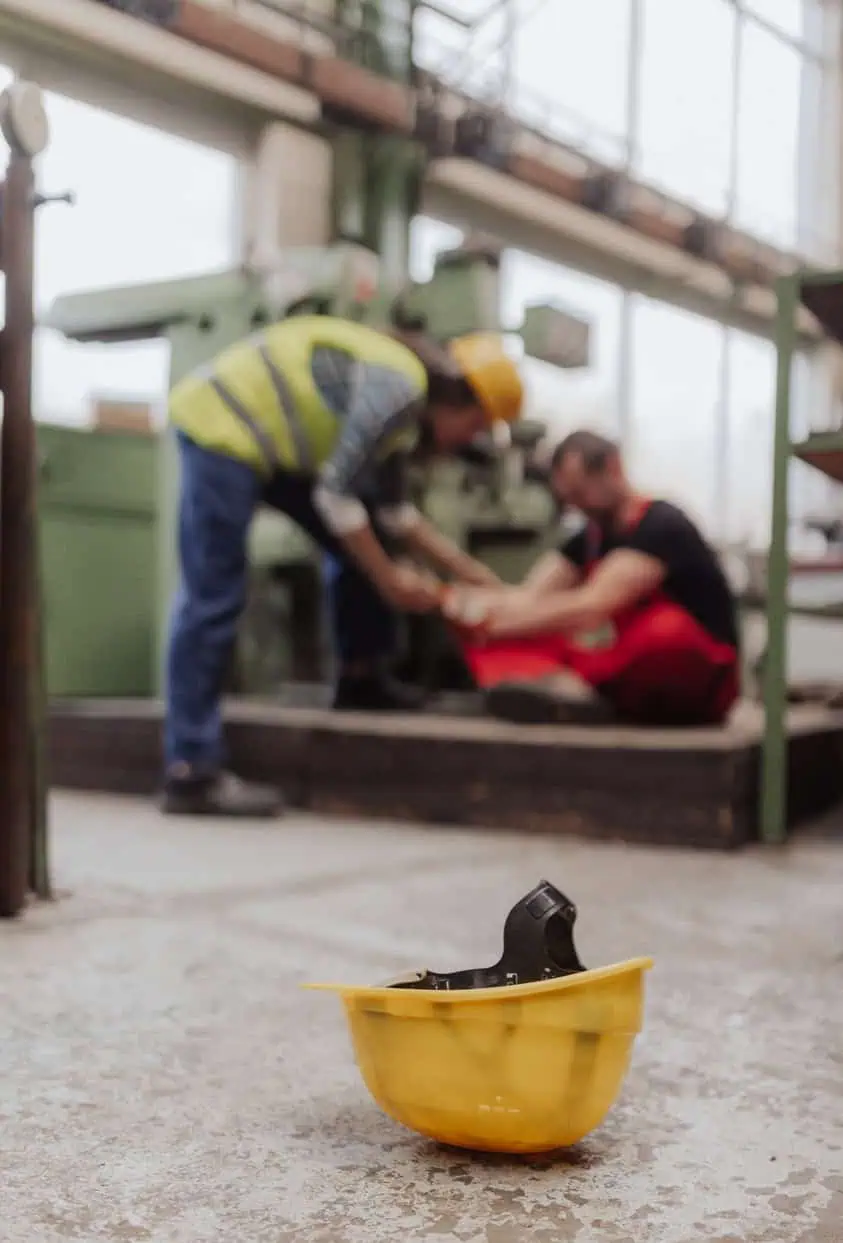





Las Vegas is famous for its bright lights and bustling economy, but behind the glitz lies a workforce exposed to serious risks. For all of Nevada’s growth – from high-rise construction on the Strip to 24/7 casino operations – many jobs in the Silver State are extremely dangerous. In fact, Nevada’s workplace injury rates consistently exceed national averages, and certain industries see a disproportionate share of serious accidents and workers’ compensation claims. This article examines the most high-risk jobs and industries in Nevada, supported by Nevada workplace safety statistics, to help you understand where dangers are greatest and how to protect your rights if you’re injured on the job.
If you’ve been injured in one of Nevada’s most dangerous industries, it’s time to take action. Shook & Stone can work to ensure you get what you deserve. Contact us for guidance on your case or call us at (702) 570-0000 to discuss your situation today. Let’s work together to secure your financial future.
Nevada Workplace Safety by the Numbers
Nevada’s latest workplace safety data reveals higher injury and fatality rates than the U.S. average. In 2023, private employers in Nevada reported 36,600 nonfatal workplace injuries and illnesses, equating to an incidence rate of 3.3 cases per 100 full-time equivalent workers (FTEs) – above the national rate of approximately 2.4. Tragically, 57 Nevada workers died on the job in 2023. According to the U.S. Bureau of Labor Statistics (BLS), two industry supersectors – leisure and hospitality, and trade/transportation/utilities – accounted for 55% of all reported injuries in Nevada.
Transportation incidents (vehicle crashes and related accidents) were the number one cause of fatal work injuries in Nevada, accounting for 17 of the 57 deaths (30%) in 2023. The second leading cause was falls, slips, and trips, which caused 11 fatalities (19%). Nonfatal injury claims are often caused by more routine hazards – slips and falls, overexertion/back strains, and equipment accidents are among the most common workplace injuries seen in Nevada’s workforce.
Unfortunately, safety compliance is an ongoing challenge. Fall protection violations are consistently among the most frequently cited OSHA violations affecting Nevada worksites, with hundreds of citations issued in recent years. Other common Nevada OSHA citations include inadequate hazard communication about toxic chemicals and improper ladder or scaffolding use.


The Most Dangerous Industries in Nevada
While a workplace injury can happen in any job, Nevada’s workers’ compensation records show that certain industries consistently lead in injuries and claims. Below we highlight the most dangerous jobs in Nevada by industry.
1. Construction and Skilled Trades
Construction work ranks near the top of Nevada’s most dangerous jobs. From building new casinos to roadwork on I-15, construction and related trades involve heavy machinery, heights, and hazardous environments. In 2023, Nevada’s construction sector suffered 8 fatal work injuries, with specialty trade contractors (roofers, electricians, steel workers) accounting for 6 of those deaths. Falls are the leading hazard – roofers in Las Vegas routinely face risks of severe falls and even heat stroke on hot summer roofs.
Even non-fatal injuries like broken bones, knee injuries, or back strains are common on job sites. In 2023, construction workers reported roughly 3,500 injuries in Nevada – a significant share of claims despite construction employing only about 6% of the workforce. Nevada’s “Fatal Four” construction hazards (falls, electrocutions, struck-by, and caught-between accidents) continue to cause most of the serious injuries. For those in the trades, it’s critical to use proper protective gear and follow OSHA guidelines.
2. Transportation and Warehousing
Transportation-related occupations – including truck drivers, delivery drivers, taxi/Lyft drivers, and warehouse workers – consistently rank among Nevada’s most dangerous jobs. In 2023, the transportation and material moving occupational group had the highest number of workplace fatalities in Nevada (13 deaths). Driving a commercial vehicle on Nevada’s highways comes with inherent peril: high speeds, long hours, and the ever-present risk of crashes. Transportation incidents made up about 30% of all work-related deaths in the state.
Warehouse and logistics workers face dangers from fast-paced loading work and heavy equipment. Forklift accidents are a known hazard – unsafe forklift operation and maintenance is a recurring OSHA-cited hazard in Nevada workplaces. Workers in warehouses often suffer back injuries from heavy lifting, or crush injuries from being struck by forklifts or falling pallets. According to BLS data, the trade, transportation, and utilities sector reported about 9,300 injury cases in Nevada in 2023 – one of the highest totals among all industries.
3. Leisure and Hospitality (Hotels, Casinos & Food Service)
Nevada’s leisure and hospitality industry might not seem “dangerous” in the same way as construction or trucking. Yet by sheer numbers, this sector sees the highest volume of workers’ compensation claims in Nevada. Leisure and hospitality workers reported around 11,000 injuries in 2023 in Nevada, more than any other industry. The injury incidence rate in this sector is also the highest statewide, at 4.3 cases per 100 workers – reflecting the physical demands and 24/7 pace of Las Vegas’s service economy.
Common injuries in hospitality jobs include slips, trips and falls (a casino housekeeper slipping on a wet bathroom floor or a waiter tripping in a crowded restaurant) and overexertion injuries like back strains (from lifting luggage or moving banquet tables). Kitchen staff face burn injuries from hot stoves and oil, as well as cuts from knives. Hotel and casino employees may also be exposed to hazardous cleaning chemicals. Additionally, workplace violence can be a concern in hospitality – security personnel in casinos or nightclubs deal with unruly guests and sometimes suffer assaults.
4. Manufacturing and Industrial Jobs
Nevada’s growing manufacturing sector – including factories, industrial plants, and “production” occupations – also contributes to the list of high-risk industries. According to recent data, production occupations accounted for 6 fatal work injuries in Nevada in 2023, and many more nonfatal injuries. The manufacturing industry reported about 2,700 injuries statewide in 2023, with an incidence rate of 3.9 per 100 workers – among the higher rates across industries.
Typical injuries in manufacturing include amputations or lacerations (from inadequately safeguarded machines), crush injuries (if a hand or foot gets caught in equipment), burns (in industries dealing with high heat or chemicals), and occupational illnesses from chemical exposure. OSHA standards such as Lockout/Tagout (LOTO) – which prevent machines from starting up during maintenance – are vital in these workplaces, yet LOTO violations remain common. Nevada recorded nearly 300 serious LOTO violations in recent years.
5. Law Enforcement and Security (Protective Services)
Those who work in protective service occupations – police officers, sheriff’s deputies, private security guards, correctional officers, and similar roles – face unique dangers on the job. In Nevada, workplace violence is a serious concern: in 2022, violent injuries inflicted by other people accounted for a significant share of worker fatalities in Nevada, exceeding national averages in recent reporting years. Police and security personnel may be assaulted by suspects or violent patrons, sometimes with deadly outcomes.
Beyond intentional violence, protective service workers face hazards like high-speed vehicle accidents (during chases or patrols), overexertion (breaking up fights or restraining individuals can cause back and shoulder injuries), and sometimes exposure to dangerous substances. Security guards in Las Vegas casinos or clubs often deal with intoxicated or disorderly guests; these confrontations can lead to injuries from slips and falls while pursuing a suspect, or being struck during a scuffle.

Frequently Asked Questions
Q: What are the most dangerous jobs in Nevada?
Nevada’s most dangerous jobs tend to cluster in a few high-risk industries. Construction and roofing jobs are very dangerous due to falls from heights and heavy equipment. Transportation jobs – like truck drivers and delivery drivers – are also among the most dangerous, as traffic accidents are the leading cause of workplace fatalities in Nevada. Other perilous occupations include miners, law enforcement officers, and security guards (largely due to violence risks), as well as certain manufacturing jobs involving machinery. Overall, statistics show that the transportation/material moving sector and construction trades have the highest fatal injury numbers in Nevada, while hospitality and retail jobs lead in total injury claims because of the sheer number of workers in those fields.
Q: Which industries file the most workers’ comp claims in Nevada?
In terms of sheer volume of workers’ compensation claims, Leisure & Hospitality is number one in Nevada. This sector saw about 11,000 recordable injuries in 2023, more than any other industry. The Trade, Transportation & Utilities sector is a close second, with roughly 9,300 injury cases a year in Nevada. Construction recorded around 3,500 injury cases in 2023 – still a very large number relative to its workforce size. Manufacturing and industrial jobs accounted for about 2,700 injuries.
Q: What should I do if I’m injured at work in a high-risk job in Nevada?
If you suffer a work-related injury, take a few immediate steps to protect your health and rights. First, get medical attention right away. Next, notify your employer as soon as possible. Nevada law requires that you inform your employer within 7 days of an on-the-job injury in most cases. Typically, you will fill out a Form C-1 (Notice of Injury or Occupational Disease) to officially report the incident. Be detailed and truthful when reporting what happened.
If your claim is denied or delayed, or if you feel pressure from your employer not to report, consider consulting a workers’ comp attorney. Especially in high-risk industries like construction or mining, there may be additional complexities that a lawyer can navigate. Remember, workers’ compensation in Nevada is no-fault – you don’t have to prove your employer was negligent to get benefits.
Q: Can I sue my employer if unsafe conditions caused my injury?
In most cases, workers’ compensation is an exclusive remedy in Nevada, which means you generally cannot sue your employer for a work injury, even if the employer’s negligence led to the accident. However, you can sue third parties who are responsible for your work injury. This is important in high-risk jobs: if a third-party’s negligence contributed (like a contractor on your job site, a driver who hit you on the road, or a manufacturer of a defective machine), you can file a personal injury lawsuit against that party in addition to receiving workers’ comp benefits.
By understanding the risks inherent in Nevada’s most dangerous jobs and knowing the steps to take after a workplace injury, employees can better protect themselves. Every worker – from a Las Vegas construction laborer to a Reno hotel housekeeper – has the right to a safe work environment and the right to workers’ compensation if injured. Nevada workplace safety is a shared responsibility between employers and workers, but when accidents happen, Nevada’s workers’ comp system is there to provide a safety net. Should you ever find yourself injured and struggling with a claim, remember that experienced help is available. With proper legal and medical support, injured workers in Nevada can recover and get back on their feet, even in the state’s most high-risk professions.
If you’ve been injured in one of Nevada’s most dangerous industries, it’s time to take action. Shook & Stone can work to ensure you get what you deserve. Contact us for guidance on your case or call us at (702) 570-0000 to discuss your situation today. Let’s work together to secure your financial future.
ex



 DIRECTIONS