








Understanding Stipulated Settlements in Nevada Workers’ Comp
If you have been injured on the job in Las Vegas or anywhere in Nevada, you may face a decision about resolving your workers’ compensation claim. A stipulated settlement is one of the most common ways injured workers bring their claim to a close. It is a voluntary agreement between you and the insurance company that resolves some or all benefits owed, often converting future payments into a single lump-sum amount. Nevada resolves claims through ongoing benefits awards or lump-sum settlements, and both options come with tradeoffs you should understand before signing anything. Knowing how nevada workers comp settlements work can help you avoid accepting less than you deserve.
If you were hurt at work and have questions about a settlement offer, Shook and Stone can help you evaluate your options. Call 702-570-0000 or reach out online to discuss your claim today.

How Nevada Workers’ Compensation Benefits Set the Stage
Before you can understand what a stipulated settlement resolves, you need to know what benefits are on the table. Nevada requires every employer with one or more employees to maintain workers’ compensation insurance, which operates as a no-fault, exclusive remedy framework. You do not need to prove employer negligence to receive benefits, only that your injury or illness arose out of and in the course of employment.
Nevada recognizes four main benefit types that may factor into a settlement. Temporary Total Disability (TTD) is calculated at 66.66% of the injured worker’s average monthly wage (NRS 616C.475). Temporary Partial Disability (TPD) equals the difference between the injured worker’s post-injury earnings and the TTD compensation the worker would have received and is subject to a 24-month cap (NRS 616C.500). As of July 1, 2025, TTD payments are capped at $1,364.15 per week. Permanent Partial Disability (PPD) compensates you for lasting impairment and is typically paid as a lump sum based on your disability percentage, age, and wage. Permanent Total Disability (PTD) applies when an injury leaves you permanently unable to work in any capacity. The Nevada Division of Industrial Relations oversees the workers’ compensation system and approves stipulated settlements under NRS 616C.415; formal contested claim hearings and appeals are administered by the Nevada Department of Administration, Hearings Division.
| Benefit Type | What It Covers | How It Is Typically Paid |
|---|---|---|
| TTD | Total inability to work during recovery | Biweekly payments calculated at 66.66% of the injured worker’s average monthly wage (capped) |
| TPD | Partial ability to work at reduced capacity | Biweekly payments equal to the difference between post-injury earnings and the TTD compensation the worker would have received (subject to a 24-month cap) |
| PPD | Permanent impairment after maximum medical improvement | Usually a lump sum |
| PTD | Permanent and total inability to work | Ongoing payments or settlement |
💡 Pro Tip: Make sure you have reached maximum medical improvement (MMI) before considering any settlement. Settling too early may mean you accept compensation based on an incomplete picture of your long-term disability.

What a Stipulated Settlement Actually Means for Your Claim
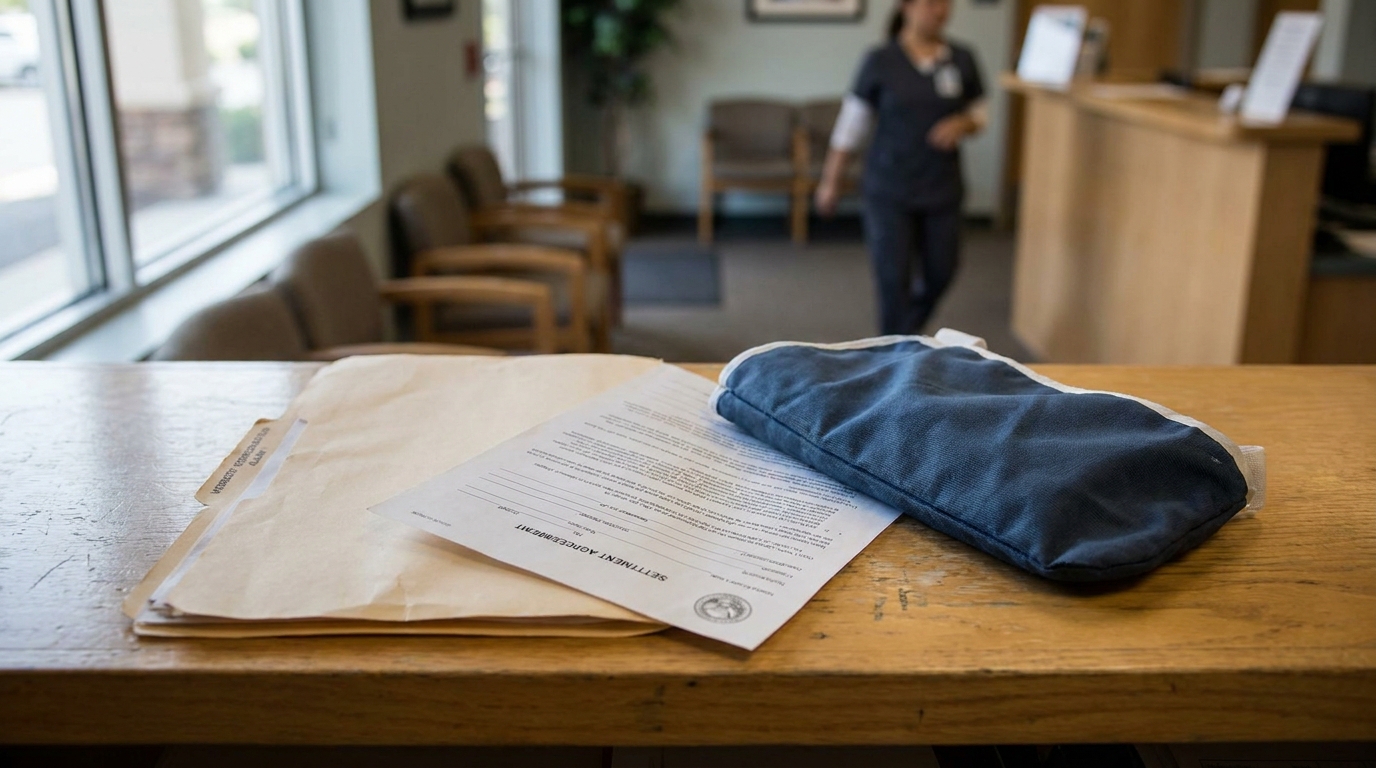
A stipulated settlement is a written agreement where you and the insurer negotiate the terms for closing out your nevada workers comp claim. Unlike a decision imposed by a hearing officer, a stipulated agreement in workers comp is voluntary and requires mutual consent. The agreement specifies the dollar amount you will receive, which benefits are being resolved, and which rights you may be giving up.
In many cases, a stipulated settlement converts ongoing or future disability payments into a one-time lump sum. For example, if you have a PPD rating and would otherwise receive scheduled payments, you and the insurer can agree to a single payment instead. You may also negotiate to include the cost of future medical treatment and any past-due temporary disability benefits.
One of the most important things to understand is what you may be waiving. Nevada law generally permits an injured worker to request reopening of a claim if they can demonstrate that their condition has worsened, but specific time limits and procedural requirements may apply. A stipulated settlement may require you to give up that reopening right. Once you sign and the agreement is approved, you generally cannot go back and ask for more benefits related to that injury.
💡 Pro Tip: Before you agree to waive your right to reopen your claim, consider whether your condition could worsen over time. This is especially critical for back injuries, joint damage, and repetitive stress conditions common in construction, warehouse, and hospitality jobs.
Free Consultation We’ll help you win the benefits you need to get your life back.
Nevada Workers Comp Settlements: Your Options When You Have a Permanent Disability
If your doctor assigns you a permanent disability rating, you typically have several paths forward. You can accept the insurer’s calculated weekly or lump-sum PPD payments, negotiate a stipulated settlement for a different amount, or take your dispute to a hearing before a judge at the DIR. Each option carries different risks and benefits.
Negotiating a Las Vegas work injury settlement can result in a higher payout than accepting the initial offer. The insurer’s starting number is based on your disability rating, but it may not account for the full impact of your injury on your earning capacity or need for ongoing medical care. Understanding lump-sum settlements in Nevada can help you weigh whether a one-time payment serves your interests better than periodic benefits.
💡 Pro Tip: Keep detailed records of all medical treatments, out-of-pocket expenses, and lost wages. This documentation strengthens your negotiating position and helps justify a higher settlement amount.
What Factors Influence Your Settlement Amount
Several variables determine your stipulated settlement value. These commonly include:
- Your permanent disability rating (percentage of impairment)
- Your average weekly wage at the time of injury
- Your age at the time of injury
- The cost of future medical treatment you may need
- Any past-due TTD or TPD benefits the insurer has not yet paid
- Whether you are waiving your right to reopen the claim
No two settlements look exactly alike because every injured worker’s medical situation, job, and financial circumstances differ. A construction worker with a 15% whole-person impairment rating and 20 years until retirement will likely receive a different settlement than a hotel housekeeper with the same rating but different wages and age.
The DIR Hearings Process
If you and the insurer cannot agree on settlement terms, you can request a hearing. The Nevada Division of Industrial Relations Workers’ Compensation Section approves stipulated settlements under NRS 616C.415, while the Nevada Department of Administration, Hearings Division handles formal contested claim hearings and appeals. The Hearings Division handles disputes over benefits, claim denials, and settlement approvals. Even when both parties reach a stipulated agreement, a hearing officer reviews the terms to confirm the settlement is reasonable and that you understand what you are agreeing to.
Critical Deadlines That Can Affect Your Nevada Workers Comp Claim
Missing a filing deadline can jeopardize your entire claim, including your ability to negotiate a settlement later. Under NRS 616C.015, you must provide written notice of a workplace injury to your employer as soon as practicable but no later than seven days after the accident. Under NRS 616C.020, you must file a formal claim for compensation with the insurer within 90 days of the accident. Under NRS 616C.025, failure to file the required notice or claim generally bars recovery, though limited exceptions may apply.
These deadlines are strictly enforced, and courts in Nevada generally interpret exceptions narrowly. Filing promptly protects your right to benefits and keeps the door open for future settlement negotiation.
💡 Pro Tip: Report your injury to your employer in writing and keep a copy for your records. Verbal reports can be disputed later, and a written record creates a clear timeline.
Why Having a Workers’ Compensation Attorney Matters
Navigating a stipulated settlement without legal guidance can leave money on the table or cost you important rights. Workers’ comp attorneys who handle these cases regularly understand how insurers calculate offers, what fair PPD valuation looks like in your industry, and whether waiving your reopening rights makes sense given your medical prognosis. A workers compensation attorney in Las Vegas can review the proposed terms, identify gaps or undervaluations, and negotiate on your behalf.
Insurance adjusters handle hundreds of claims and have significant experience structuring settlements that favor the insurer. You deserve someone on your side who can level the playing field. According to Nevada workers’ comp resources, workers’ comp lawyers generally work on contingency, meaning they collect a percentage of what you receive rather than charging upfront fees.
💡 Pro Tip: If the insurer pressures you to accept a settlement quickly, treat that urgency as a reason to slow down and consult an attorney. A fair offer does not come with a countdown clock.
Frequently Asked Questions
1. What is a stipulated settlement in Nevada workers’ comp?
A stipulated settlement is a negotiated agreement between an injured worker and the insurance company that resolves some or all workers’ compensation benefits. It typically converts future benefit payments into a lump sum and may require you to waive certain rights, such as the ability to reopen your claim. A hearing officer reviews the agreement before it becomes final; the DIR approves stipulated settlements, while formal contested hearings are administered by the Nevada Department of Administration, Hearings Division.
2. Can I reopen my claim after signing a stipulated agreement?
It depends on the terms of your agreement. Nevada law generally allows injured workers to request reopening if their condition worsens, subject to applicable procedural requirements and time limitations. However, a stipulated settlement may include a waiver of that right. Review the language carefully and consult an attorney before signing.
3. How long do I have to file a workers’ comp claim in Nevada?
Under NRS 616C.020, you must file a formal claim within 90 days of the accident. You must also provide written notice to your employer within seven days under NRS 616C.015. Missing these deadlines may result in loss of benefits, though narrow exceptions may apply in limited circumstances.
4. How is my settlement amount calculated?
Insurers typically start with your permanent disability rating and use your age and average weekly wage to calculate an initial figure. You may negotiate for a higher amount that accounts for future medical needs and unpaid temporary disability benefits. The final number depends on the facts of your case and the strength of your negotiation.
5. Do I need a lawyer to negotiate a workers’ comp settlement in Nevada?
You are not legally required to have an attorney, but having one can significantly affect the outcome. An experienced workers’ comp lawyer understands how to evaluate settlement offers, challenge low PPD ratings, and protect your long-term interests.
Protecting Your Future After a Workplace Injury in Nevada
A stipulated settlement can provide financial relief after a workplace injury, but it is not a decision to make lightly. Understanding what benefits you are entitled to, what rights you may be giving up, and what your claim is truly worth are all essential steps before you sign any agreement. Every nevada workers comp settlement carries long-term consequences that will shape your financial and medical future.
If you are facing a settlement offer or need help understanding your nevada comp settlement options, the team at Shook and Stone is ready to help. Call 702-570-0000 or contact us today to schedule a consultation and protect your rights.






 DIRECTIONS