











Weighing Your Options After a Workplace Injury in Las Vegas
Key Takeaways: Choosing between installment payments and a lump-sum settlement after a Las Vegas workplace injury depends on your injury severity, future medical needs, and financial situation. Nevada’s no-fault system uses statutory formulas and standardized worksheets to set benefit amounts, which can be paid as installments or converted to a discounted present-value lump sum. A lump sum offers immediate flexibility to pay debts, fund retraining, or close out a claim, but shifts long-term financial responsibility onto you. Installments provide steady income that suits workers with lasting impairments or uncertain medical outlooks. Key rules include the 30 percent PPD threshold, the reaffirmation and retraction step, and strict early filing deadlines like the C-1 form. Because errors in ratings, forms, or timing can be costly, consulting a qualified Nevada workers comp attorney before signing is the safest way to protect your claim’s full value.
Choosing between installment payments and a lump-sum settlement is one of the most significant financial decisions an injured worker can make. The best choice depends on the severity of your injury, your future medical needs, and your personal financial situation. In Nevada, both options are formal, regulated paths, and understanding how each works can help you protect the full value of your claim.
If you are facing this decision and want clarity before signing anything, the team at Shook and Stone is ready to help. You can call our office at 702-570-0000 or reach out through our online contact page to discuss your options.
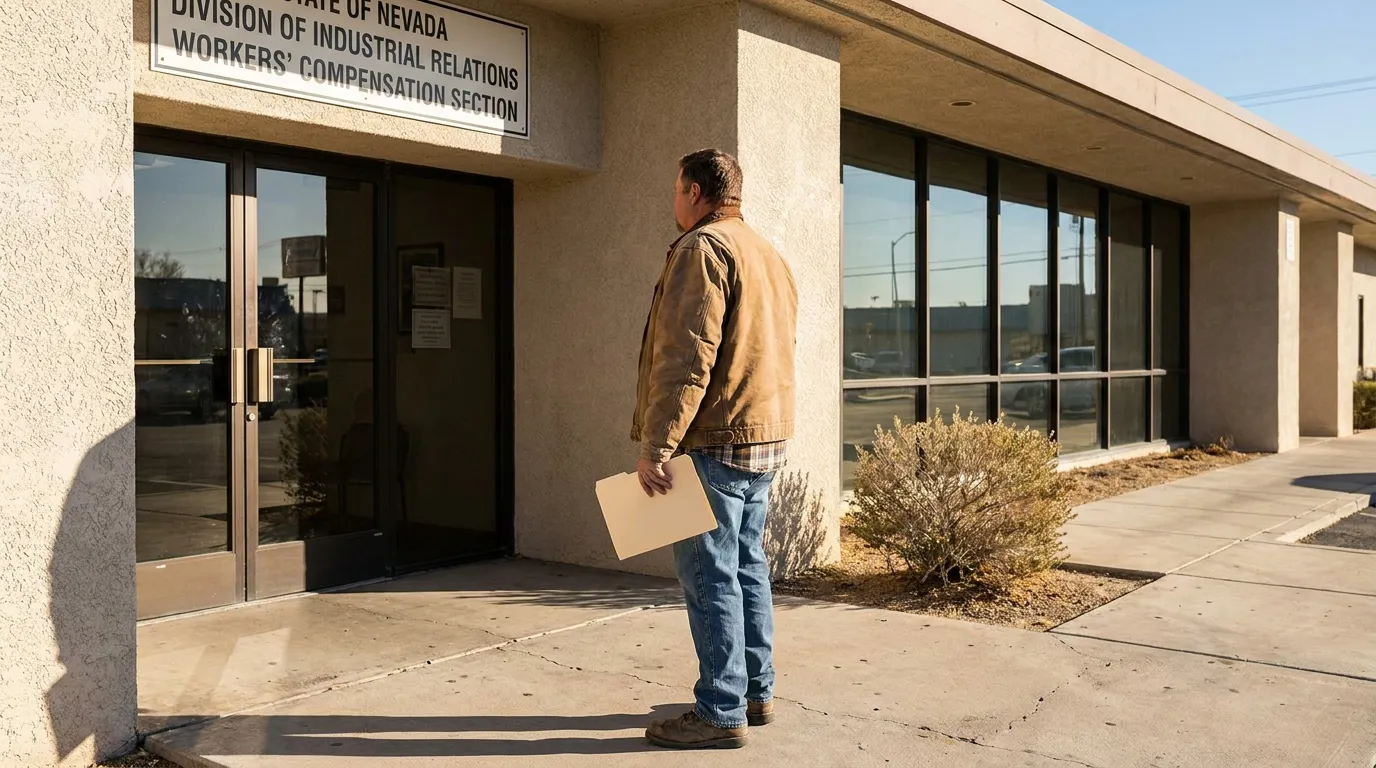

How Nevada Workers Comp Settlements Actually Work
Nevada operates a no-fault workers’ compensation system, which shapes every settlement decision an injured worker faces. Employees injured in the course and scope of employment trade their right to pursue negligence actions against their employers in exchange for guaranteed payment regardless of fault. Consistent with the policy declared in NRS 616A.010, the key question for compensability is whether the injury arose out of and in the course of employment, not who was at fault.
Because the system is no-fault, the amount of your benefit turns on statutory formulas rather than proving blame. Nevada sets statutory benefit levels for disability, including compensation for permanent partial disability under NRS 616C.490 based on the degree of impairment. For workers with permanent total disability, NRS 616C.440 provides sixty-six and two-thirds percent of the average monthly wage. These amounts may be received as periodic payments or converted to a lump sum.
Permanent partial disability awards are calculated using standardized worksheets that determine the underlying value payable as installments or convertible to a lump sum. You can review the official Nevada workers comp forms through the Division of Industrial Relations to see how the state structures each step.

Installments vs. Lump Sum: The Core Choice
The heart of this decision is whether to receive ongoing payments over time or a single one-time payment. The State Bar of Nevada notes that financial compensation includes lost wages, temporary disability payments, medical bills, and lump sum permanent disability payments. Each structure carries distinct advantages and trade-offs.
A lump sum is a formal, regulated option rather than an informal arrangement. Nevada’s workers’ compensation system provides official forms for injured workers to elect a lump-sum payment instead of ongoing installments. The table below outlines general considerations when comparing the two structures.
| Consideration | Installment Payments | Lump-Sum Settlement |
|---|---|---|
| Cash flow | Steady, predictable income over time | Full amount available at once |
| Budgeting risk | Lower risk of overspending | Requires careful long-term planning |
| Future medical needs | May align with ongoing costs | Must be self-managed after payout |
| Flexibility | Less immediate flexibility | Greater upfront flexibility |
No table can substitute for individualized analysis. A lump sum offers freedom to pay down debt or invest in recovery, while installments may provide stability for those with long-term impairments. A qualified attorney can help you weigh these factors against your medical prognosis.
Free Consultation We’ll help you win the benefits you need to get your life back.
Understanding the Value Behind Your Award
Before electing a lump sum, understand who determines the present value of that payout. When an award is converted from installments to a single payment, the future stream is discounted to a present-day figure using actuarial annuity tables adopted by the Division. This calculation can significantly affect how much you receive. Our discussion of how present value is determined explains this process in detail.
The 30 Percent Threshold for PPD Awards
Nevada treats larger permanent partial disability awards differently from smaller ones. The state uses a separate election form for lump-sum payment when disability exceeds 30 percent. If your PPD rating falls above that line, the rules governing how much you can take as a lump sum may differ. This is one reason an accurate impairment rating matters.
The Reaffirmation and Retraction Step
A lump-sum election is not necessarily final the moment you request it. Injured Nevada workers who request a lump sum can reaffirm or retract that request, indicating the decision is not irreversible up to a point. This built-in pause gives workers a chance to reconsider before the payment is finalized. Use that window wisely, and consider seeking guidance before you reaffirm.
💡 Pro Tip: Ask for a copy of your completed PPD worksheet and review the impairment percentage carefully. An incorrect rating can reduce both your installment amount and your lump-sum value, and you may have grounds to challenge it.
When a Lump Sum May Make Sense
A lump sum can be appealing for workers who need capital now or prefer to close out their claim. Receiving the full value at once may help cover immediate expenses, reduce debt, or fund a transition to new work. For some injured workers in Las Vegas, this flexibility outweighs the predictability of installments.
A lump sum shifts long-term financial responsibility onto you. Once the payout is spent, there generally are no further periodic checks tied to that portion of the award. Note that Nevada generally allows an injured worker to petition to reopen a claim if the condition later worsens, subject to statutory requirements. Common situations where a lump sum is considered include:
- Paying off pressing debts or medical bills
- Funding retraining or a career change after injury
- Simplifying finances by closing out a claim
- Making a significant one-time purchase tied to recovery needs
When Installments May Be the Safer Path
Installment PPD payments in Nevada offer stability that many injured workers value, especially those with lasting impairments. Steady payments can mirror ongoing wage loss and help households budget without the temptation to overspend a large sum. For workers uncertain about their long-term medical picture, this predictability can be reassuring.
The broader design of the system supports financial recovery, not just a quick payout. The State Bar of Nevada explains that the system aims to get the injured worker back to work by providing prompt payments and avoiding the delay, expense, and animosity of a lawsuit. Installments can align with that rehabilitative purpose, particularly when your recovery is still evolving.
Protecting Your Rights Throughout the Process
Filing the right forms on time is essential to preserving your benefits. Injured workers generally must provide written notice of injury on the C-1 form as soon as practicable, but no later than seven days after the accident. Missing early deadlines can complicate a claim before the settlement question even arises.
Guidance from a knowledgeable advocate can make a meaningful difference. Injured workers can access vetted counsel through the State Bar’s Lawyer Referral Service, which offers a consultation of up to thirty minutes for a non-refundable fee. A trusted workers comp attorney Nevada can review your rating, explain your choices, and help you avoid costly missteps.
Frequently Asked Questions
1. Can every injured worker choose a lump sum in Nevada?
Not every award qualifies for a full lump sum. Nevada uses distinct election forms depending on whether the PPD award is above or below 30 percent. Eligibility depends on your disability percentage and is subject to statutory rules.
2. Is a lump-sum settlement ever reversible?
Up to a point, a requested lump sum can be reaffirmed or retracted before it is finalized. Nevada provides a formal reconsideration step for this purpose. Once finalized, reopening the payment election can be difficult, so careful review beforehand is wise.
3. Do I give up my right to sue my employer?
In most cases, yes, because Nevada workers’ compensation is generally an exclusive remedy. Employers who provide coverage are protected from additional damages once the employee opts to receive benefits. Third-party claims against non-employer parties may sometimes remain available.
4. Are all Nevada employers required to carry coverage?
Generally, yes. Nevada requires all private employers with one or more employees to obtain and maintain workers’ compensation insurance. If your employer failed to carry coverage, separate processes may apply.
5. How is my payment amount calculated?
Your award follows statutory formulas rather than negotiation over fault. Permanent partial disability is based on the impairment rating and NRS 616C.490, and permanent total disability uses the formula in NRS 616C.440. Standardized worksheets translate these into your specific figures.
Making a Confident Decision About Your Benefits
Deciding between installments and a lump sum comes down to your health, your finances, and your long-term goals. Both are legitimate, state-regulated paths, and the smarter choice varies from worker to worker. Because Nevada workers comp settlements involve statutory formulas, impairment ratings, and firm deadlines, small errors can carry lasting consequences. Understanding your rights before you sign is the surest way to protect your claim’s value.
You do not have to navigate these settlement options alone. Contact Shook and Stone today by calling 702-570-0000 or by using our secure online form to discuss how to move your claim forward with confidence.



 DIRECTIONS